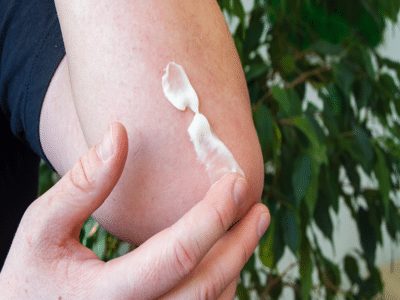
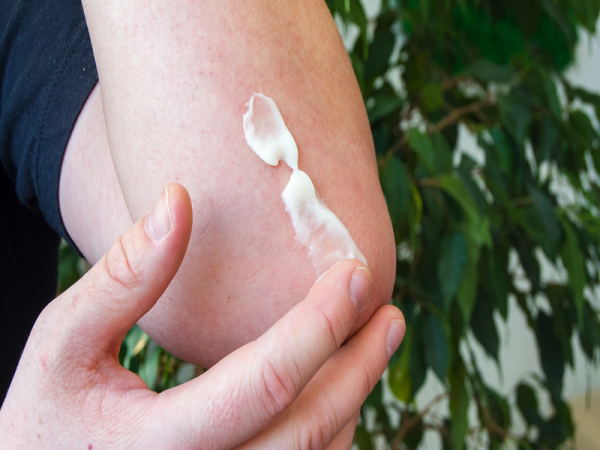
Have you ever applied mosquito repellent cream to your skin? Most people living in cities use such creams. But does it harm your skin when applied to your skin? In this era of absurd information on social media, some people believe that applying mosquito repellent cream to their skin will cause severe damage. It can cause skin irritation and various other problems. How much truth is there in this? Let's find out what experts think.

Does the cream cause harm?
NDTV spoke with several dermatologists to understand this. Dr. Priyanka Kuri, Senior Consultant, Department of Dermatology, Aster Whitefield Hospital, Bengaluru, explains that most branded repellent creams on the market are harmless, but if the application method is incorrect, they can cause some harm. There's no medicine in the world that doesn't have some side effects. But any medicine must undergo rigorous testing before being used on people, and only after it's fully proven that it doesn't cause significant harm or that the harm is self-healing is it approved.
Therefore, claims that these creams harm the skin are false. If applied incorrectly, they can cause harm. It's a good thing that people are becoming more aware of their skin, but experts emphasize that enduring rare skin problems is better than suffering the consequences of mosquito-borne diseases. Mosquito bites can cause dangerous diseases like dengue and malaria.
Are mosquito repellent creams safe for the skin?
Dr. Priyanka Kuri explains that from a clinical and public health perspective, repellent creams offer more protection than harm. Ingredients like DEET, picaridin, and IR3535 have been extensively researched, and they are considered safe when used according to the label instructions. The WHO has also deemed the use of topical (skin-applied) repellents safe for protection against mosquito-borne diseases. These creams come in wide varieties, including DEET (N,N-Diethyl-meta-toluamide), picaridin (also known as icaridin), and IR3535, among others. These creams have undergone extensive testing. If used correctly, these creams are considered harmless. While generally safe, they are not completely free of side effects. Dr. Priyanka Kuri says that safety does not mean there will be no side effects. Some people may experience mild irritation, redness, or rashes with excessive or frequent use.
How to Use
According to dermatologist Dr. Sai Lahari, most people can use them without any problems, but those with pre-existing skin conditions may experience more side effects. For example, people with existing cuts, excessive sensitivity, or eczema or itching may experience mild itching and redness. Experts believe that the problem often lies not with the product itself, but with its misuse. Dr. Lahiri explains that most problems arise from improper use. Applying too much or using it on broken skin can cause reactions. People often over-apply the cream or mix it with other creams, all of which can cause problems.

What to do for better results
These days, the demand for natural or herbal repellents is increasing, but doctors advise caution. Dr. Priyanka Kuri says that while these creams may appear gentle, their effectiveness is short-lived and may carry some risks. They provide short-term protection and require repeated application, raising the risk of allergic reactions. For optimal results, apply the cream only as needed. Do not apply directly to the face; first, apply the cream in your hands and keep it away from the eyes and mouth. Wash it off after returning home, and it's even better if you clean your hands before applying it.
PC Social Media
Contact to : xlf550402@gmail.com
Copyright © boyuanhulian 2020 - 2023. All Right Reserved.