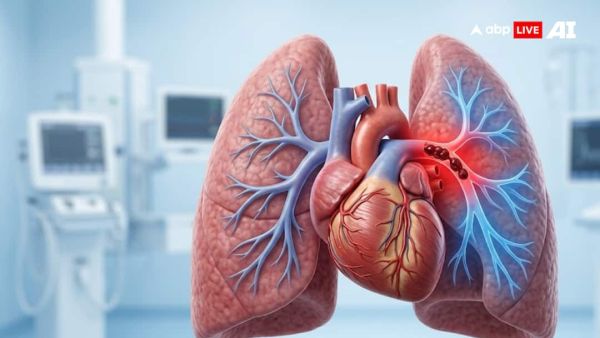
The sudden demise of Prateek Yadav, son of late former Uttar Pradesh Chief Minister Mulayam Singh Yadav and Sadhana Gupta, has left many shocked and saddened. According to reports, Prateek Yadav’s health deteriorated late at night, following which he was rushed to Civil Hospital in Lucknow. However, he reportedly passed away before reaching the hospital.
Reports suggest that Prateek Yadav was suffering from pulmonary embolism, a serious cardiovascular condition that can become life-threatening if not treated in time. The news has also drawn attention to this medical condition, its warning signs and the risks associated with it.
What Is Pulmonary Embolism?
Pulmonary embolism is a condition in which a blood clot blocks blood flow to an artery in the lungs. In most cases, the clot forms in a deep vein in the leg and then travels to the lungs through the bloodstream. This condition is commonly linked to deep vein thrombosis (DVT), where blood clots develop in the deep veins of the body.
When the clot reaches the lungs and blocks an artery, it can reduce oxygen supply and affect the normal functioning of the lungs and heart. In severe cases, pulmonary embolism can become fatal.
How Does Pulmonary Embolism Occur?
The condition usually begins with blood clots forming in the deep veins, most commonly in the legs. Once the clot breaks loose, it can travel to the lungs and block blood circulation.
In some rare situations, blockages may also occur due to fat particles from broken bones, air bubbles or even parts of a tumour entering the bloodstream.
Multiple clots can sometimes block different arteries in the lungs at the same time, making it difficult for the body to receive enough oxygen.
Common Symptoms Of Pulmonary Embolism
Symptoms of pulmonary embolism can vary depending on the size of the clot and how much of the lung is affected. Some people may experience mild symptoms, while others may face sudden and severe complications.
One of the most common symptoms is sudden shortness of breath, which may worsen during physical activity or even continue while resting.
Chest pain is another major warning sign. The pain may feel sharp and can become more noticeable while taking deep breaths, coughing, bending or leaning forward.
- Rapid or irregular heartbeat
- Coughing, sometimes with blood-streaked mucus
- Dizziness or lightheadedness
- Excessive sweating
- Fever
- Leg pain or swelling, especially in the lower leg
- Fainting due to a sudden drop in blood pressure
- Cold, clammy or discoloured skin
Why Pulmonary Embolism Can Be Dangerous
Pulmonary embolism is considered a medical emergency because blocked blood flow can damage lung tissue and place extra strain on the heart. If oxygen levels drop significantly, it can affect other organs in the body as well.
However, timely diagnosis and treatment can greatly reduce the risk of severe complications and improve recovery chances.
Who Is At Higher Risk?
Certain factors may increase the risk of developing blood clots that can lead to pulmonary embolism. People with a family history of blood clots or pulmonary embolism may face a higher risk.
When Should You Seek Medical Help?
Doctors advise seeking immediate medical attention if someone experiences unexplained shortness of breath, severe chest pain or sudden fainting. Since pulmonary embolism can progress quickly, early medical care becomes extremely important.
[Disclaimer: The information provided in the article is intended for general informational purposes only. It is not a substitute for professional medical advice, diagnosis, or treatment. Always seek the advice of your physician or other qualified healthcare provider with any questions you may have regarding a medical condition.]
Contact to : xlf550402@gmail.com
Copyright © boyuanhulian 2020 - 2023. All Right Reserved.