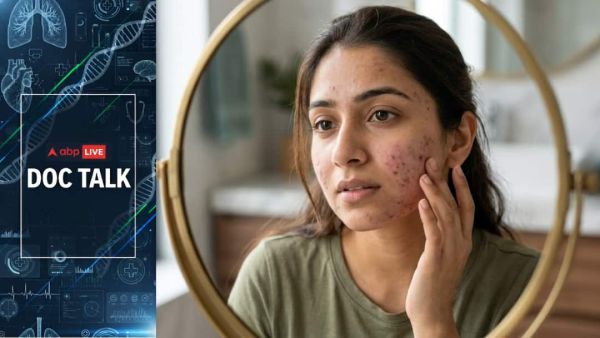
Step into any dermatology clinic today and the waiting room offers a quiet reflection of a larger shift. College students sit beside corporate professionals. Young parents wait alongside people who have tried multiple treatments before arriving here. The concerns differ, yet the pattern feels familiar. Acne that no longer settles with standard care. Pigmentation that appears suddenly and deepens over time. Skin that burns, flares up or feels itchy without any obvious cause. To people facing these challenges, what once seemed occasional now feels persistent.
Across India, skin disorders have gradually moved from being seasonal or situational to becoming everyday struggles. This change is not confined to metropolitan cities or specific age groups. Dermatologists frequently encounter patients who have tried everything, including prescription creams, salon procedures, home remedies, and online skincare routines, yet continue to see little improvement. The issue is rarely neglected or due to a lack of effort. More often, it reflects how modern living is placing sustained pressure on the body.
When The Body Starts Speaking Through The Skin
Lifestyle patterns in India have evolved rapidly, but the body continues to function at a natural rhythm. Long work hours, chronic stress, irregular meals, and inadequate sleep are now widely accepted as normal. The skin, being the most visible organ, often responds first.
What appears on the surface is seldom random. Recurrent breakouts may be linked to hormonal imbalance or gut inflammation. Pigmentation often intensifies with ongoing inflammation and sun exposure. Persistent dryness, redness, or sensitivity can signal a compromised epidermal barrier. Yet these signs are frequently addressed in isolation, without examining the internal factors that may be driving them.
Diets high in processed foods, excess sugar, and inconsistent eating habits contribute to systemic inflammation, which the skin reflects readily. Elevated stress hormones interfere with repair mechanisms, causing even mild conditions to linger longer than expected.
The Quiet Damage Of Trend-Led Skincare
Social media trends, multi-step routines, and potent active ingredients have entered everyday conversations. While awareness has increased, understanding has not always followed at the same pace. In the pursuit of faster results, many individuals unknowingly over-treat their skin and overlook early warning signs.
Repeated exfoliation, constant product switching, and unsupervised use of strong actives can gradually weaken the skin barrier. Once this protective layer is compromised, the skin becomes reactive, sensitive, and unpredictable. At this stage, even well-intentioned efforts can worsen the condition.
Glow, brightness, and clarity are often promoted as immediate outcomes. Skin disorders, however, do not respond well to urgency. They improve with consistency, moderation, and time.
Why Science Needs To Anchor Skincare Decisions
A science-backed approach does not promise a dramatic overnight transformation. Rather, it offers clarity. Science backed treatment, realistic timeframes and precise diagnosis support in moving skincare away from guesswork and recurring trial and error. Modern dermatology increasingly acknowledges that skin conditions are influenced by immunity, hormones, stress levels, and nutrition, not just topical products.
This is where an integrated approach becomes significant. Not as an alternative to medical treatment, rather as an essential support to it. Addressing the stress, quality of sleep and nutritional deficiencies in addition to clinical care usually results in more consistent and long term results. The focus moves from suppressing symptoms to restoring balance.
Climate variations, genetic factors, and cultural habits all influence skin behaviour. What benefits one individual may not suit another, and rigid routines often fail to deliver results. Holistic care allows for observation, flexibility, and gradual adjustment.
Rethinking What Healthy Skin Really Means
Chronic skin conditions impact much more than looks. They impact emotional well being, social comfort and confidence. Recurring flare ups or declining results can lead to fatigue and frustration. A more balanced approach, one that prioritises consistent progress rather than perfection can reduce both physical symptoms and emotional pressure.
There is a visible shift in how skin health is beginning to be understood. Individuals are getting more curious and asking informed questions. With that, their expectations are becoming increasingly realistic. Skin is gradually being identified as an indicator of holistic health instead of an entirely aesthetic pursuit.
In a country like India witnessing a rapid environmental and lifestyle shift, skin conditions are not contained challenges. They are signals. Masking them or ignoring them only delays recovery. A science-backed, holistic approach may not offer instant gratification, but it offers something more enduring. Stability. Insight. And skin that is supported, not continually pushed beyond its limits.
Disclaimer: The information provided in the article is shared by experts and is intended for general informational purposes only. It is not a substitute for professional medical advice, diagnosis, or treatment. Always seek the advice of your physician or other qualified healthcare provider with any questions you may have regarding a medical condition.
Contact to : xlf550402@gmail.com
Copyright © boyuanhulian 2020 - 2023. All Right Reserved.