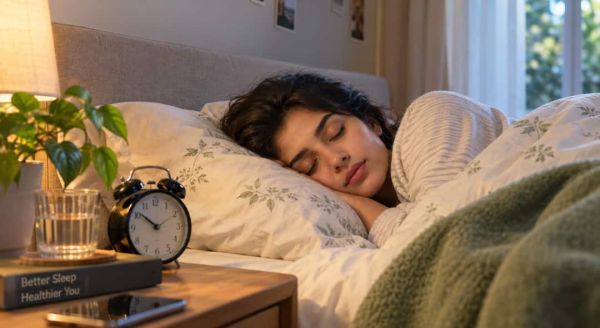
We have often been told that eight hours of sleep is essential for good health. But is eight really the right number for everyone? Here's what research suggests about sleep duration, body clocks and how much rest you may actually need.
For years, the idea of getting eight hours of sleep every night has been treated almost like a universal health rule. However, growing research suggests that sleep requirements can vary from person to person. Factors such as age, lifestyle, health, environment and even sleep timing can influence how much rest the body needs.
Where Did The 8-Hour Sleep Rule Come From?
The idea of dividing the day into eight hours of work, eight hours of recreation, and eight hours of sleep dates back to the 19th century. Over time, the eight-hour figure became widely associated with healthy sleep. But sleep researchers now suggest that there may not be one fixed number that works equally well for everyone.
A narrative review published in Brain Medicine also looked at evidence suggesting that naturally occurring sleep duration may often be shorter than the commonly assumed eight hours.
Do Humans Naturally Need Eight Hours Of Sleep?
Researchers have studied sleep patterns among some hunter-gatherer communities in Tanzania, Namibia, and Bolivia. Their reported sleep duration was around 5.7 to 7.1 hours per night. Interestingly, these communities did not have many of the modern factors that are often blamed for poor sleep, such as smartphones, social media, artificial lighting, and late-night entertainment.
However, this does not mean that everyone should aim for six hours of sleep. Researchers caution that natural sleep patterns cannot automatically be treated as proof of the ideal amount of sleep for all humans. Living conditions, stress levels, daily schedules and individual health can all affect sleep.
Sleep Requirements Can Differ From Person To Person
There is no single sleep duration that guarantees the same health benefits for everyone. Younger adults may naturally require more sleep, while healthy older adults may need somewhat less. Research has also found differences depending on how sleep duration is measured and the environment in which people sleep.
The US National Sleep Foundation generally recommends around 7 to 9 hours of sleep for adults aged 26 to 64, although some people may function well with slightly more or less. The important point is that sleep needs are individual.
Is Sleeping Less Always Bad For Your Health?
Not necessarily. What matters is whether you are consistently getting enough sleep for your body and maintaining good daytime functioning. Research has linked both very short and very long sleep durations with health problems, including cardiovascular disease, stroke, obesity and cognitive decline. However, associations with longer sleep do not necessarily mean that sleeping longer directly causes these conditions.
Similarly, regularly sleeping too little can leave you tired, affect concentration, and impact mood and daily performance. So, rather than focusing only on the number eight, it is important to look at your overall sleep pattern.
Sleep Timing Matters Too
The number of hours you sleep is only one part of the picture. When you sleep can also matter. Your body follows an internal biological clock known as the circadian rhythm, which is influenced by the natural light-dark cycle.
Exposure to artificial light at night can delay this body clock and make it harder for some people to fall asleep early. This is one reason why staying up late during the week and trying to compensate by sleeping much longer on weekends may not always leave you feeling well-rested.
Maintaining a relatively consistent sleep and wake schedule can help support a healthier body clock.
How Much Sleep Should You Aim For?
Instead of forcing yourself to reach exactly eight hours every night, pay attention to how your body responds to your current sleep routine. If you regularly wake up feeling refreshed, remain alert during the day and do not depend heavily on caffeine to stay awake, your sleep duration may be meeting your needs.
On the other hand, persistent daytime sleepiness, difficulty concentrating, frequent mood changes or constantly feeling exhausted may indicate that you are not getting enough quality sleep.
Simple Habits For Better Sleep
Maintain a consistent bedtime and wake-up time.
Get natural light during the morning.
Reduce bright screens and artificial light close to bedtime.
Avoid excessive caffeine late in the day.
Keep your bedroom comfortable, quiet and dark.
Give your body enough time to wind down before sleeping.
The Bottom Line
The popular eight-hour sleep rule is a useful general reference, but it should not be treated as a strict requirement for every individual. Current evidence suggests that sleep needs vary, and both duration and timing can influence overall wellbeing.
An occasional night of poor sleep is usually not a reason to panic. What matters more is getting adequate, good-quality sleep consistently and paying attention to how rested and functional you feel during the day.
Contact to : xlf550402@gmail.com
Copyright © boyuanhulian 2020 - 2023. All Right Reserved.