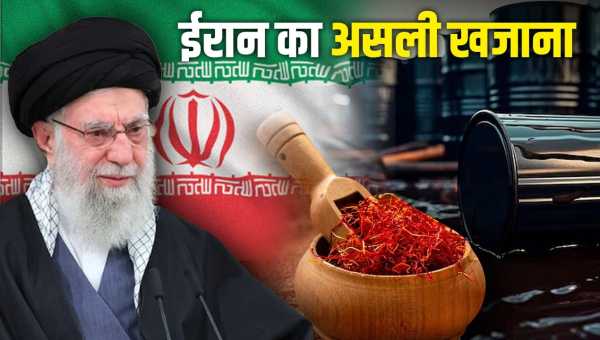
Iran, known for oil and gas, is the largest producer of saffron.
As soon as the name of Iran comes, the first picture that comes to people's mind is oil and gas. It is true that Iran is counted among the major hydrocarbon producing countries in the world, but the scope of Iran's natural wealth is not limited only to energy resources. The diversity of minerals, agriculture-based specialized products, marine and geological resources, all these together make Iran an important country in terms of natural resources.
Continued protests in Iran, internal political-social tensions and international reactions such as US warnings often impact global markets and supply chains. When instability within a country increases or there is a possibility of sanctions or pressure on it, the world's attention turns not only to its oil exports but also to its other resources, alternative export potential and the support of the domestic economy.Know, what else is there in Iran's treasury apart from oil, which makes it rich.
How special is Iran?
Iran is a large and geologically diverse country in West Asia. The coastal region of the Caspian Sea in the north, the Persian Gulf and the Gulf of Oman in the south, the plateau region in between, several mountain ranges and many arid, semi-arid areas, this diversity gives rise to different pockets of agriculture and minerals. While mineral deposits and metallic ores are found in hilly areas, some plains and valleys are suitable for agriculture. In this way, Iran's natural wealth is visible not only in underground but also in surface resources and bio-based products.
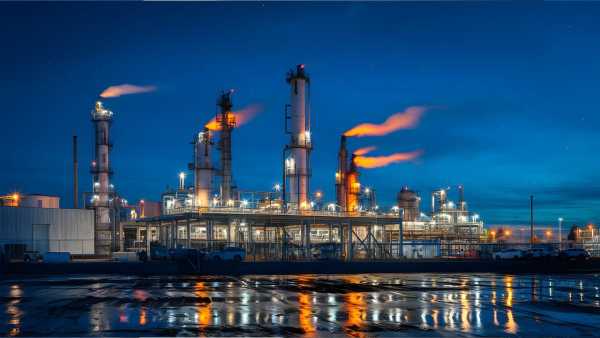
Iran's natural wealth is not limited to oil only. Photo: Pixabay
Iran also writes the story beyond oil and gas
Oil and natural gas are a big part of Iran's identity. But while discussing energy resources, it is important to understand that for any energy-rich country, along with production, political-geopolitical stability of refining, petrochemical, domestic consumption and export routes is also equally important. In the environment of ongoing protests and external warnings in the country, the energy sector is often the most in the headlines because global oil prices, security of sea routes and the fear of sanctions are directly linked to this sector. But part of Iran's economic security blanket has also been its focus on non-oil sectors such as minerals, petrochemical-based value-added products, and some agricultural exports.
Saffron is the red gold of Iran
The talk about natural treasures of Iran is incomplete without saffron. Saffron is often called red gold because it is counted among the most expensive spices in the world by weight. Iran has long been the world leader in saffron production and some of its regions, especially the northeastern regions, are considered suitable for saffron cultivation.

Iran produces the most saffron in the world.
Why is saffron important?
- More value in less water: In arid/semi-arid areas where water scarcity is a major issue, there are some crops that provide good economic value with relatively low water usage. For this reason, saffron is considered a high-value crop in many places.
- Rural Employment and Seasonal Income: Cultivation of saffron and especially its harvesting/processing requires labour. This creates a source of seasonal employment and income in rural areas.
- Export Capacity: Even in times of sanctions and international tensions, many countries look for alternative supply chains for products that are used in the food, pharmaceutical, cosmetic and fragrance industries. Saffron is a multi-purpose export product from this point of view.
- Quality, Branding and Value-Addition: The real benefits of saffron arise not from production alone, but from grading, packaging, branding and value-added products. Quality standards, traceability and control over counterfeit products are also necessary to compete in the global market. For a country like Iran, where international politics can impact trade, such high-value agricultural products help in economic diversification.
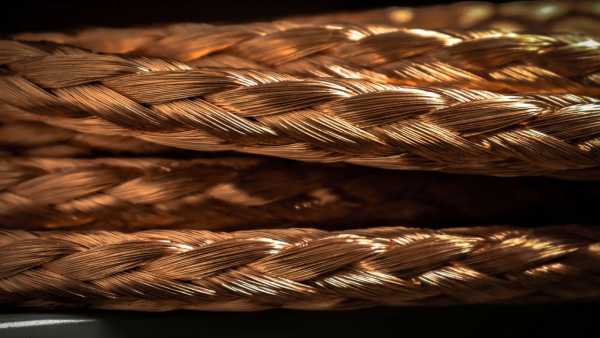
Copper.
Mineral reserves near Iran
Many types of metallic minerals are found near Iran. Some of the major categories can be understood as follows.
- Iron ore: Iron ore is the basic raw material for the steel industry. If the country has iron ore reserves and associated processing capacity, then construction, infrastructure and heavy industry get domestic support.
- Copper: Copper is a strategic metal due to its wide use in electricity, electronics, construction and industrial machinery. In the era of grid expansion and electrification, there is special attention on the global demand for copper.
- Lead & Zinc: They are used in batteries, alloys, coatings and many industrial processes.
- Chromite: Chromium is important in stainless steel and special alloys. The economic value of these metallic minerals lies not only in their presence, but also in downstream potential such as mining costs, environmental compliance, transportation, logistics, energy availability and processing.
Base non-metallic minerals of construction and industry
Iran's non-metallic minerals are also noteworthy, which are used in everything from construction materials to chemical industry. These are in abundance here.
- Limestone: Backbone of cement and construction industry.
- Gypsum: Use in plaster, cement additive and construction materials.
- Salt: Apart from food industry, it is also important in chemical industry.
- Clay/Soil, Stone, Marble/Dimension Stone: Building construction, tiles, decorative stones and exportable products.
- These resources provide stability to the domestic manufacturing industry, especially when imports become expensive or difficult due to international sanctions or trade barriers.
Chemical and fertilizer-based capacity
The existence of oil and gas is not limited to fuel exports only; It also provides raw materials for sectors like petrochemicals and fertilizers. In many countries the petrochemical sector creates more value-added exports than crude oil. In an environment of stress and warnings, when pressure on crude oil sales may increase, a strategy of value-added products and diversified markets provides a way to reduce economic risk.
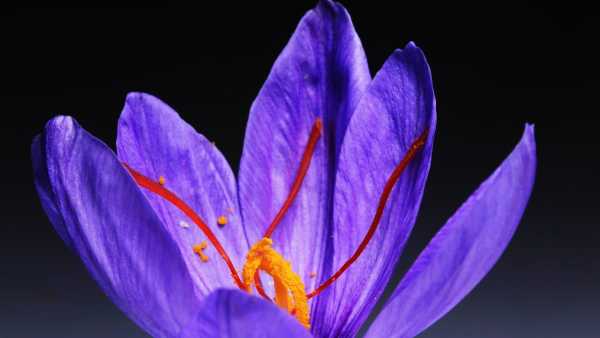
Saffron flower.
Agriculture and Horticulture: Challenges and Opportunities amid Water Crisis
Many areas in Iran have been under the pressure of water scarcity and drought, yet some agricultural and horticultural products have international recognition. Saffron is a prime example, but some dry fruits/nuts, dates, and some regional fruit products also play a role in the trade. The important point here is that water resource management, modern irrigation techniques, and the shift towards high-value crops—all have a direct link to economic stability. Issues such as inflation, employment and rural incomes often become more sensitive in times of protests and political turmoil, so agro-based high-value products can play an indirect role in the socio-economic balance.
Geopolitics and resources: economic impact of demonstrations and warnings
In the context of the ongoing protests in the country and the warnings from a big power like America, Iran's resources come under discussion at two levels. Concerns about a global market, including oil and gas, as well as sea routes, insurance costs, and regional stability may impact energy prices. Two-domestic economic resilience, including non-oil minerals, agriculture (such as saffron), and value-added industries, can act as a buffer for either country. Even if they do not generate as much income as oil and gas, they still support the economy through employment, domestic supply and limited exports.
Iran's natural treasure is multi-dimensional
Calling Iran an oil-only country underestimates its true natural potential. It has a diversity of metallic and non-metallic minerals, a high-value agricultural crop like saffron of global importance, and also value-added directions like petrochemical, industries. In an environment of protests and international warnings, it becomes even more important to understand that a country's strength does not rest on just one resource – its diversity, supply chain and domestic production capacity are equally decisive. The natural treasure of Iran is an example of this diversity, which makes it notable in terms of energy as well as minerals and agriculture.