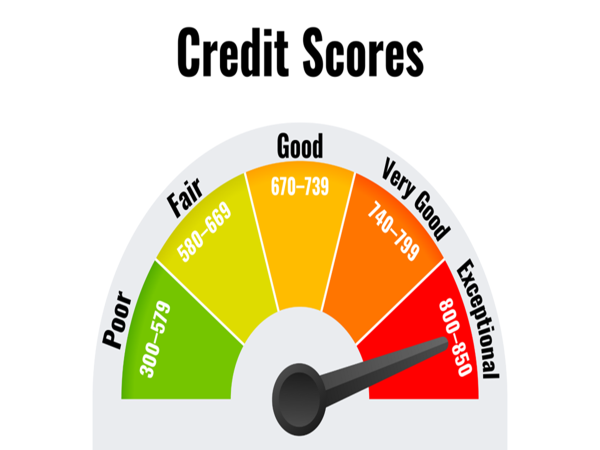
Budget 2026: You pay rent every month, yet banks say, "You have no credit history." What is the biggest expense for an average working professional living in a city every month? The answer is simple – house rent. Whether it's ₹10,000 or ₹40,000, lakhs of rupees are spent on rent every year. But when this same person goes to the bank for a loan or credit card, the response is, "You don't have a credit score" or "Your history is very weak." This paradox could change in Budget 2026.
What is the demand? Linking Rent to Credit Score
Sarika Shetty, Co-founder & CEO of RentenPe, clearly states, "Rent is the biggest regular expense in urban India, but it is still not reflected in the credit system. If digital rent payments are linked to credit bureaus, millions of people could get formal credit access for the first time – without putting any additional burden on the government."
What are the current rules?
Today in India, your Credit Score (CIBIL, Experian, Equifax) is based on these factors:
Whether loan EMIs were paid on time
Credit card usage
How many years have you been taking credit
How many times have you defaulted
Rent payment is not included, even if you have been paying rent on time every month for 5 years.
Meaning:
EMI = Credit Discipline
Rent = "Invisible" to the Credit System
Advertisement
Where is the problem?
A large population of urban India:
They are in their first job
Is a freelancer or gig worker
Is in a new city, starting a new career
Has no credit card or loan history.
But:
Pays rent on time every month.
Makes payments digitally (UPI/bank transfer)
Yet banks consider them "High Risk".
What can be changed in Budget 2026? According to sources and industry experts, the government may consider the following in Budget 2026:
1. Making Digital Rent Payments a Formal Credit Signal
Rent paid via UPI/bank transfer
Verified landlord-tenant data
Consent-based reporting
2. Integration with Credit Bureaus
Rent payment history - CIBIL/Experian
Timely rent payment = better score
Late payment = negative impact
3. No New Taxes or Subsidies
No additional expenditure for the government
Simply better utilization of existing digital infrastructure
What is the government's objective?
Three major goals are believed to be behind this move:
Financial Inclusion
Providing credit access to those who were previously outside the system.
Responsible Credit Culture
"Rewarding" those who pay rent on time.
Promoting the Digital Economy
Encouraging digital rent payments and reducing cash transactions.
Disclaimer: This content has been sourced and edited from Zee Business. While we have made modifications for clarity and presentation, the original content belongs to its respective authors and website. We do not claim ownership of the content.