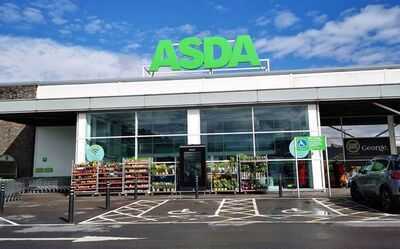
Asda is introducing a new £12.71 rule across select UK stores from Wednesday, in a major boost for its workers. From April 1, the supermarket chain is awarding 110,000 hourly-paid retail staff a 4% above-inflation pay rise.
Asda has confirmed that the pay rises will be rolled out to workers in two stages over the coming months, with the first rise to take effect from April 1, followed by another pay increase from July 5. The pay increase will take national hourly pay rates for staff based in Asda Retail and Asda Express stores outside the M25 from £12.60 to £12.71 from April 1 - a rise of 11p per hour.
For workers based in Asda Retail and Asda Express stores inside the M25, hourly pay rates will rise from £13.82 to £13.93 from April 1 - an 11p per hour increase.
From July 5, Asda workers will be given another pay rise, which will take hourly rates from £12.71 to £13.10 for those based in stores outside the M25 - a pay increase of 39p per hour.
For Asda workers based in stores inside the M25, hourly pay will rise from £13.93 to £14.35 from July 5 - an increase of 42p per hour.
Asda said the total investment in retail pay since its acquisition by TDR Capital and the Issa brothers in 2021 now reaches £575 million. Over this period, hourly pay rates have increased by c40%, rising from £9.36 in 2021 to £13.10 in 2026.
James Goodman, Chief People Officer, Asda, said: "Our storebased colleagues are at the core of our business and the role they play serving customers is central to our Formula for Growth turnaround plan.
"I'm pleased we've been able to give them an aboveinflation pay award and invest in this way. I'd also like to thank them for their continued hard work and commitment to making Asda better every day."
Asda's April pay rise is in line with the new National Living Wage from April 1, which is rising from £12.21 to £12.71 per hour for workers aged 21 and over.
The government said the increase will benefit around 2.4 million people on low pay and will give full-time employees a gross annual earnings boost of £900.
The National Living Wage applies to most workers, whereas the National Minimum Wage is the minimum amount an employer must pay per hour for all workers aged below 21.