Shoppers at major UK supermarkets such as Aldi, Asda and Lidl are far more likely to abandon their favourite stores for one simple reason, and it has little to do with loyalty.
New research suggests that when a product is missing from the shelf, many customers will switch brands or reconsider their purchase entirely. According to a 2026 global study by TELUS Consumer Goods, 45% of shoppers will choose a different brand if their preferred item is unavailable. In the UK, the effect is even stronger, with 60% of consumers making decisions at the shelf, the highest rate globally.
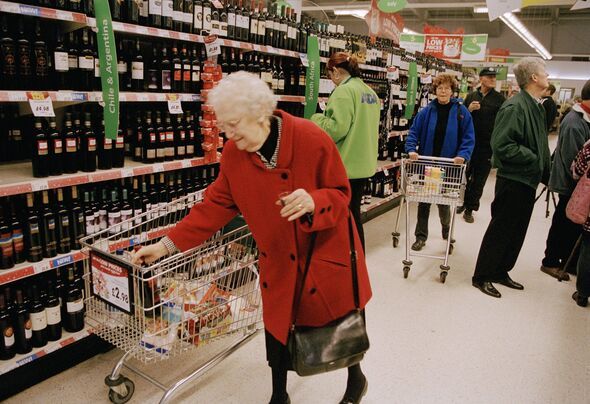
The findings highlight how quickly brand loyalty can disappear. If a product is not visible at the exact moment a shopper is ready to buy, it is often overlooked in favour of whatever is available nearby.
Mark Hamilton-Bowker, global sales director at TELUS Consumer Goods, said manufacturers have been losing significant revenue because they cannot react quickly enough to gaps on shelves. He warned that competitors are ready to capture those lost sales the moment availability slips.
The research also sheds light on why shoppers are so willing to switch. Economic pressure continues to shape buying habits, with price remaining the dominant factor in decision making.
At the same time, value is not just about cost, as many shoppers also consider pack size when deciding what offers the best deal.
Sustainability is another growing influence. A significant proportion of consumers are willing to switch to products with environmentally friendly packaging, and many are prepared to pay more for it.
Younger shoppers, particularly those in Gen Z, are also more likely to make impulsive decisions in store, often trying new products without waiting for promotions.
The issue is not only about products being out of stock but also about how quickly retailers and manufacturers respond.
Traditional methods of checking shelves rely on manual audits that can be out of date by the time they are completed, while shoppers are making decisions in seconds.
Retailers are increasingly turning to artificial intelligence and image recognition technology to address this gap.
By analysing shelf images in real time, these systems can quickly identify missing items, pricing errors and display issues, allowing staff to fix problems before customers turn elsewhere.
Contact to : xlf550402@gmail.com
Copyright © boyuanhulian 2020 - 2023. All Right Reserved.