Nowadays, many people keep pets like dogs and cats. Spending time with them creates a strong emotional bond, and gradually they become an important part of the family. Most pet owners care for their pets just like children.
However, the real confusion begins while planning a vacation. Many people struggle to decide whether to leave their pets at home or take them along. Concerns about travel rules, safety, and comfort often become stressful enough that some even cancel their trips.
But travelling with pets can become much easier with proper planning and awareness. From flights to trains and road trips, here are some important tips every pet owner should keep in mind before travelling with their furry companions.
Travelling With Pets On Flights
If you are travelling to a destination that requires air travel, you can take your pets along. Before booking your tickets, contact the airline and inform them about your pet.
Most airlines allow pets under specific terms and conditions. Pet owners may also need to carry a valid medical or vaccination certificate issued by a veterinarian. Airline policies regarding pet size, carrier dimensions, and additional charges should also be checked in advance to avoid last-minute issues.
How To Travel With Pets In Indian Railways
Pet owners travelling through Indian Railways can also take their dogs or cats along on the journey. Passengers are usually required to book tickets for their pets separately and follow railway guidelines for pet travel.
In some trains, special pet box or luggage facilities are available where pets can travel safely in designated enclosed spaces. Small pets can often be carried inside baskets or pet carriers, while larger dogs may need to be transported in special compartments arranged by the railway authorities.
Passengers must carry a confirmed train ticket, along with important documents such as a valid veterinary fitness certificate and vaccination records for the pet. It is also advisable to reach the station early and complete the required booking formalities at the parcel or luggage office before departure.
Travelling With Pets In Buses
Travelling with pets in government or roadways buses is also possible in some cases. Pet owners are generally advised to keep their pets inside a basket or carrier during the journey.
It is important to ensure that the pet is wearing a mask or remains safely secured throughout the trip. Carrying medical certificates and purchasing a ticket for the pet may also be required depending on the transport service rules.
Taking Pets On Road Trips In Your Own Car
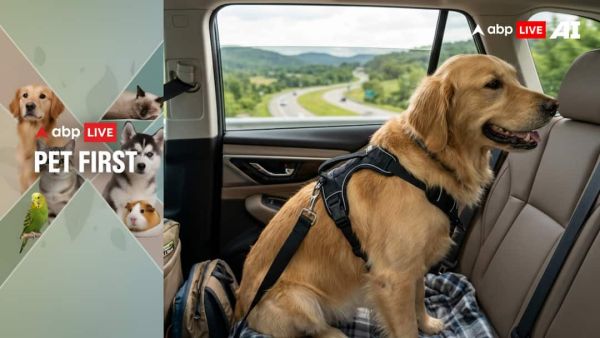
Road trips in personal vehicles are considered one of the most comfortable travel options for pets. If you are travelling in your own car, there is no need to leave your dog or pet behind.
You can comfortably take them along while ensuring regular breaks, hydration, and proper ventilation during the journey. Before reaching your destination, it is also important to check whether the hotel or accommodation you are booking allows pets and what their pet policies are.
Keeping a valid medical certificate and essential pet supplies with you can help make the trip stress-free and enjoyable for both you and your furry companion.
Tips For Stress-Free Travel With Pets
Allowing pets to move freely inside a moving vehicle can become risky during sudden braking or sharp turns. Using a secure crate, carrier, or pet restraint system helps keep everyone safe during the journey.
Before leaving for a trip, ensure your pet’s ID tags and microchip information are updated. In case your pet gets separated during travel, accurate contact details can help reunite you quickly.
Long journeys can become tiring for pets too. Short breaks every few hours allow them to stretch, relax, and relieve themselves comfortably before continuing the journey.
Always carry a portable water bowl and offer water regularly during travel. Proper hydration is extremely important, especially during long journeys or hot weather conditions.
Even for a short duration, leaving pets alone inside a parked car can become dangerous. Temperatures inside vehicles can rise quickly and may seriously affect your pet’s health.
Before travelling, research nearby veterinary clinics at your destination and carry your pet’s health records, medicines, and a small first-aid kit. Being prepared can help manage unexpected situations calmly.
While some pets enjoy travelling and adapting to new places, others feel more relaxed at home. Observing your pet’s behaviour and comfort level can help you decide what is best for them.
[Disclaimer: The information provided in this article is intended for general informational purposes only. It is not a substitute for professional veterinary advice, diagnosis, or treatment. Always consult a qualified veterinarian regarding your pet’s health, diet, or any medical concerns.]
Contact to : xlf550402@gmail.com
Copyright © boyuanhulian 2020 - 2023. All Right Reserved.