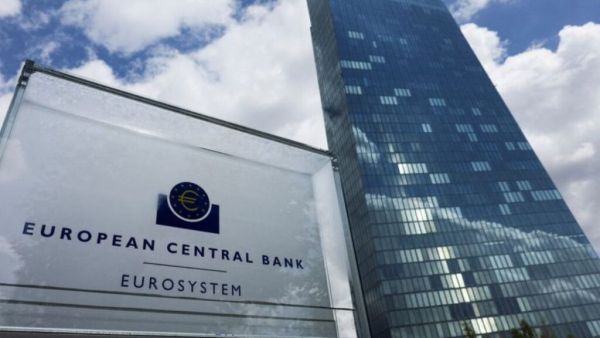
The European Central Bank (ECB) on Thursday raised its key interest rate by 25 basis points, marking its first rate increase since 2023 as policymakers moved to contain rising inflation across the eurozone. The ECB increased its deposit facility rate from 2.0% to 2.25%, citing mounting inflationary pressures linked largely to higher energy costs.
The decision comes as inflation in the euro area climbed above the ECB’s 2% target. According to the central bank’s latest assessment, consumer price inflation reached 3.2% in May, driven by elevated energy prices and ongoing geopolitical tensions affecting global energy markets.
Inflation concerns drive policy action
ECB policymakers said the rate increase was aimed at preventing inflation expectations from becoming entrenched and ensuring that price growth returns to the central bank’s medium-term target.
The ECB also revised its inflation outlook upward. Updated projections place inflation at 3.0% for 2026, 2.3% for 2027 and 2.0% for 2028, reflecting concerns that higher energy costs could continue to influence prices across the eurozone economy.
Officials acknowledged that economic growth remains weak but argued that maintaining price stability remains the institution’s primary objective. The Governing Council said future policy decisions would continue to be guided by incoming economic data and inflation developments.
Energy prices remain a key factor
The ECB’s decision comes against the backdrop of elevated oil and energy prices that have increased production and transportation costs across Europe.
Analysts have linked the recent rise in inflation to persistent disruptions in energy markets. Higher fuel costs have contributed to increased prices for businesses and consumers, prompting the central bank to take precautionary action despite concerns about slowing economic activity.
The move makes the ECB one of the first major central banks to tighten monetary policy in response to the latest inflation surge. Financial markets had widely anticipated the quarter-point increase ahead of the policy meeting.
What happens next?
Attention will now turn to future ECB policy meetings as investors assess whether additional rate increases may follow later this year. Market participants are currently pricing in the possibility of further tightening if inflation remains above target.
ECB President Christine Lagarde is expected to provide further guidance on the outlook for interest rates and inflation during upcoming policy communications. Officials have reiterated that future decisions will depend on economic data, inflation trends and developments in energy markets.
Contact to : xlf550402@gmail.com
Copyright © boyuanhulian 2020 - 2023. All Right Reserved.