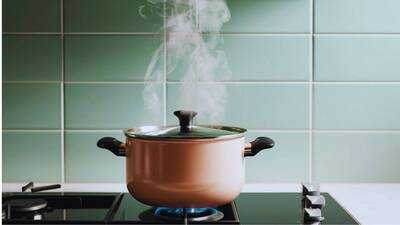
For years, consumers spent countless hours in their kitchens, cooking meals, baking treats, reorganising storage shelves and managing many little jobs that keep a household running. But only now have they started looking closely at the details that silently create those everyday experiences. How a steel dabba seals shut. Where a ladle rests between uses. What kind of utensils we buy and how conveniently they help us multi-task while keeping up with our culture and traditions.
This increased awareness is part of a bigger evolution of the modern Indian kitchen or the rasoi as many of us still call it. Our grandmothers’ kitchens had a few trusted tools that served them for a lifetime – a kadhai seasoned by years of tadkas and steel containers passed down through generations. Our mothers’ kitchens heralded a new era of convenience with pressure cookers, mixer-grinders and the advent of the non-stick tawa. Today, kitchens are evolving again, merging culture with health and technology with induction cooktops, air fryers, safer storage solutions and cookware for contemporary lifestyles.
But the biggest change isn’t technological — it’s behavioural. The conversation has shifted from convenience to awareness. Consumers are no longer just buying kitchenware, they’re making conscious decisions about what comes into their home and touches their food every day. As consumers grow increasingly health-conscious, sustainable, and longevity-minded, the industry’s attention is turning away from individual products and toward building a kitchen ecosystem—a thoughtfully curated collection of tools and essentials that makes everyday cooking healthier, more efficient, and ultimately more fun. As we move towards 2026, here are five kitchen upgrades every modern Indian household should consider. Niharika Joshi, Founder, Cumin Co. shares how homemakers should upgrade their kitchen in 2026.
Toxin-free cookware : The basic for a healthy kitchen
For a long time, Indian kitchens operated on whatever non-stick cookware was available and affordable, with little concern about what that coating did after the hundredth wash or the first deep scratch with a steel spoon against the base of a kadhai. We didn't think much of it either, not until we started to notice it. But that mindset is shifting rapidly.
Today, households are asking tougher questions about PFOA and PFAS , about lead in glazes, and whether cookware can withstand the high, sustained heat that Indian cooking demands – the long simmering dals, tadkas that reach smoking point, and pressure-cooked gravies that stay on the flame for hours. A new generation of carefully engineered materials is thus finding its way into the modern Indian kitchen. Consumers are becoming savvier than ever—from cast iron enamel that retains heat exceptionally well without any exposed reactive surfaces, to stainless steel cookware with a ceramic coating and certified food-grade stainless steel built for everyday durability, to even compressed cellulose products that offer a more sustainable alternative to traditional plastics in the kitchen. The conversation has moved beyond just durability; it’s about creating healthier, safer and more sustainable kitchens, one thoughtfully chosen product at a time.
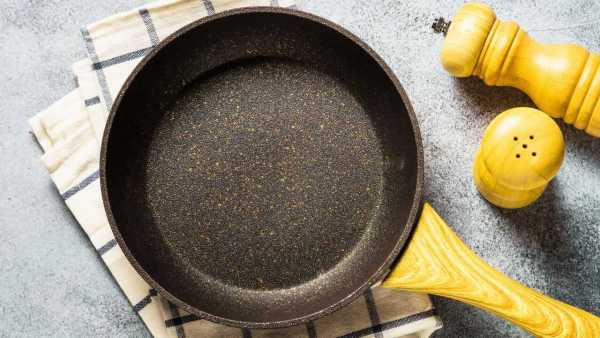
Kitchen future-proofing: one pan, all surfaces
A great upgrade for the modern Indian kitchen is cookware that can be used on all cooking tops. Most of us grew up with only a single gas hob for everything from making our morning chai to cooking elaborate meals for the family. Today's kitchens are much livelier. A single meal could start on a gas flame, move to an induction hob, end up in an oven or OTG and then be served straight to the dining table.
But many households still use separate vessels for each step, resulting in unnecessary clutter and more work. That’s why investing in truly cross-compatible cookware has become more and more important. A good pan that works on gas, induction and in the oven eliminates the need for multiple pots and constant transferring between dishes. There is more to the “one pan, all surfaces” appeal than convenience. This means fewer utensils cluttering up cabinet space, less washing up, and a more streamlined cooking experience. Future-proofing your kitchen isn’t about chasing the next big appliance. The idea is to choose cookware that fits the way cooking is done in modern Indian homes today and will continue to be done in the days to come.
Shop smart, not more: The rise of the quality-first kitchen
One of the biggest changes in the Indian kitchen today is not what people are buying but how they are buying it. For years kitchenware was often a replaceable purchase. A warped pan, a cracked container or a worn out coating was just part of the cycle. But that's changing. Today consumers are much more intentional about what goes into their kitchens. Not, “Can I pay for it? "Will it last?" and "Is it good for my family’s health?" they are asking more and more. Design or price are becoming as important as durability, material quality, long-term performance and product safety. This has also increased the awareness of the brands behind these products, with consumers increasingly choosing those who are committed to transparency and who back their claims with recognised patents and certifications.
This evolution is moving the kitchen from a place of throwaway purchases to one of less, but better, essentials. Consumers are opting for products, whether cookware, storage or prepware tools, that will last for years, not months, of daily use. In 2026, quality is not a premium feature, it’s an expectation. The modern Indian kitchen is moving away from a culture of replacement and embracing products – and brands – based on durability, innovation and trust.
Reconsidering the small stuff: Convenience and safety all the way down to the knife stand
You don’t have to spend a fortune every time you want to upgrade your kitchen. In fact, some of the biggest improvements are on the things we use the most but think the least about, such as a knife stand on the counter, a ladle holder next to the stove or the chopping board that is part of almost every meal. For years these products were afterthoughts. Consumers are more conscious today of how they perform in daily life. Is the knife safely stored and within easy reach? When you cut, does the chopping board stay in place? Can a utensil rest help keep counters cleaner and cooking more organised?
This move is consistent with a wider trend towards convenience and safety in the modern kitchen. People want products that declutter and facilitate workflow and make cooking everyday feel easier. Ease of transition from hob or oven to the dining table is driving the selection of cook-and-serve pieces, reducing prep time and clean-up. None of the changes are revolutionary in any way. But together they make the kitchen a more secure, better organised and far more enjoyable place to use. Often the smallest details make the biggest difference in how a kitchen works day to day.
Kitchen takes over aesthetics
The modern kitchen is no longer behind closed doors. With homes trending toward open floor plans and kitchens being natural gathering areas aesthetics are playing a bigger role in purchase decisions. Today consumers are not only demanding good performance from products, they want products that look good in the process. From cookware and storage containers to prepware and serve ware, there’s an increasing preference for cohesive colours, thoughtful finishes and designs that complement the overall look of the home.
This transition is a manifestation of the kitchen’s changing role. It’s where visitors congregate at house parties, where families reconnect over breakfast, and where life happens. This has led to a growing trend of kitchenware being seen as more of a home décor item and less of something to be tucked away in cabinets. It is not perfection or luxury that creates aesthetics in the kitchen. It’s about creating a space that feels purposeful, organised and fun to be in.
The most striking change when we look at the evolution of the Indian kitchen is how much consumer mindsets have shifted in just one generation. It’s not just new appliances, materials, or cookware that separate Grandma’s kitchen from a modern one — it’s a shift in priorities.
For decades, kitchenware was bought for utility and replaced when it wore out. Today's consumers are making more conscious choices, looking at what products are made of, how long they last, and if they truly add to our everyday lives. The kitchen is no longer stocked with products. It’s curated with purpose. The change is part of a larger movement among Indian consumers who are now focusing more on quality, durability and design rather than on the convenience and disposability of household products. And as the kitchen is still the heart of the home, these changing priorities are often most visible there.
The future of the modern Indian kitchen will be not just about new technologies but also about better choices – products that are safer, more durable and made for the realities of modern living. The truth is that the most important upgrades are rarely the most dramatic. They are the ones that quietly improve our lives, bite by bite, year after year.
Contact to : xlf550402@gmail.com
Copyright © boyuanhulian 2020 - 2023. All Right Reserved.