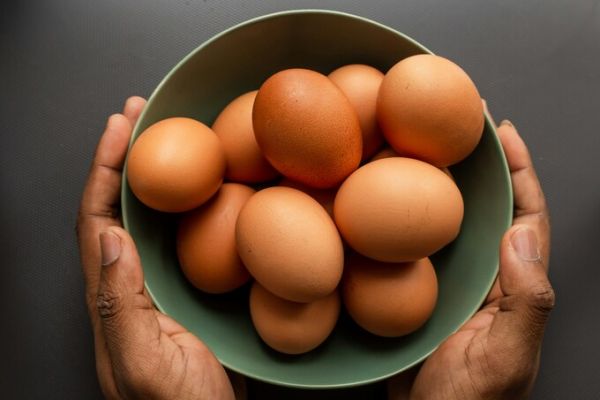
With proper cooking, cold storage and careful food handling, most people can continue eating eggs safely. Photo from Unsplash
Proper cooking, refrigeration and basic kitchen hygiene can greatly reduce the risk of salmonella from eggs, food safety experts say.
Salmonella is a major cause of bacterial food poisoning worldwide. Because birds can carry the bacteria, eggs and poultry are among the foods most commonly associated with infection, according to Dr Aidan Taylor, a microbiologist at the University of Reading.
The good news is that salmonella is easily destroyed by sufficient heat. “Salmonella bacteria are not particularly heat-resistant, meaning they can be killed by thoroughly cooking your food,” The Telegraph quoted Dr Taylor as saying.
The U.K. Food Standards Agency advises cooking eggs and egg-based dishes until they are steaming hot. When serving eggs raw or lightly cooked, consumers should opt for pasteurised eggs or products carrying recognised safety marks such as British Lion or Laid in Britain.
Health experts also reommend cooking eggs until both the whites and yolks are fully set, according to Verywell Health. Pasteurised eggs are the safer choice for dishes that call for raw or runny eggs.
Storage matters as well. Taylor advises keeping eggs in the refrigerator, where lower temperatures slow bacterial growth. Leaving them on a kitchen counter or in a cupboard, especially during hot weather, can allow any bacteria present to multiply to unsafe levels.
Good hygiene adds another layer of protection. Hands should be washed after handling raw eggs or meat, raw foods should be kept separate from ready-to-eat items, and utensils and kitchen surfaces should be cleaned thoroughly.
With proper cooking, cold storage and careful food handling, most people can continue eating eggs safely without needing to avoid them altogether.
Contact to : xlf550402@gmail.com
Copyright © boyuanhulian 2020 - 2023. All Right Reserved.