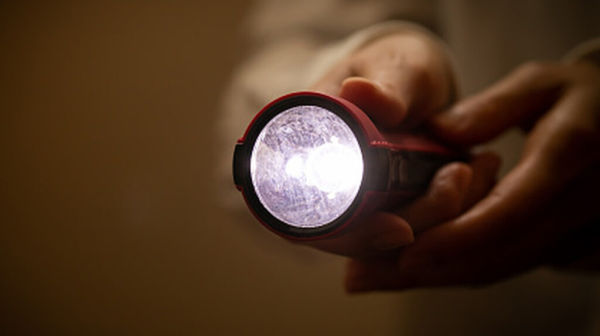
Flashlights used to be relatively simple devices that featured simple on and off switches, a fixed brightness setting, and few other features. Like virtually everything else in the world, technological advances have made flashlights smarter and more effective than ever before. USB rechargeable batteries and upgrades in brightness capabilities have helped brands like our favorite, Fenix, bring new levels of versatility to the flashlight market. Meanwhile, the ability to focus light more directly remains an important feature for many users.
That last advancement isn’t entirely new when it comes to flashlights, of course, as manufacturers have long built that feature into different styles of torches. As the name implies, focusing flashlights do indeed feature the ability to adjust the width and focus of the device’s beam. In essence, it allows users to cast light on specific items and areas in the dark when the need is there. The beam can also easily be adjusted to cast a wider light when you want to illuminate a larger area.
As you can imagine, a focusing feature can be as important as brightness in emergency scenarios, as it allows you to highlight a specific point in the dark. This can help you know exactly what lies ahead if you need to be out and about. The same may be true in a dimly lit basement or crawlspace, or if you’re camping off-grid and need to venture away from the tent in the middle of the night to, well, you know.
How to focus the light on your flashlight
As noted, the addition of a focusing feature is hardly the result of a recent technological breakthrough. In fact, the design behind the feature is pretty simple in principle and requires little more than the addition of an internal lens or reflector in the flashlight’s headlamp. That feature can then change the focus of the torch based on how far or how close it is to the light source itself.
The question then becomes how users can move the lens or reflector when the need to focus or unfocus the beam of the flashlight arises. Lights from the market’s top manufactures tend to feature two different styles of flashlights with focusing abilities. The first style allows users to change focus by simply sliding the headlamp of the flashlight forward or backwards on the shaft. The further away from the light the head is, the narrower the beam will be. The principle is the same with the second style of focusing flashlight, though these move the head forward and backward by way of a twisting motion.
There are no major advantages to one style or the other for focusing flashlights, though a push and pull model may be easier for some to adjust with one hand. Versatility aside, there may be a couple of drawbacks to consider with either model, in that the o-rings used in many focusing flashlights can wear out over time, making them less effective at protecting them from dust and moisture. Likewise, the need for moving parts may make focusing flashlights less durable than their fixed head counterparts.