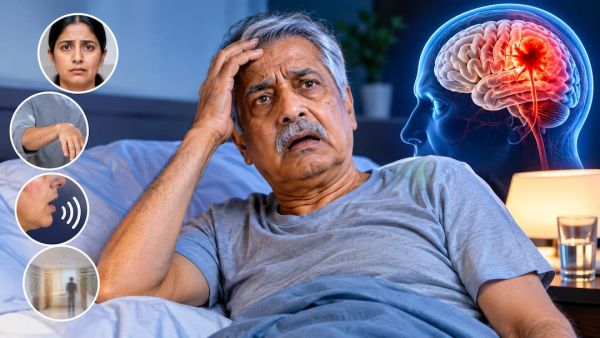
A stroke is a serious illness in which the blood supply to the brain is cut off or a vein in the brain ruptures. This damages brain cells. Sometimes, a person experiences a stroke while sleeping and discovers it upon waking. This is called a wake-up stroke. In this case, the person is fine before going to sleep, but upon waking, they experience difficulty speaking, walking, or moving any part of their body. Ignoring such symptoms is dangerous. Let's explore why strokes occur during sleep and how to recognize them.
How Does A Stroke Occur While Sleeping?
A stroke can occur at any time, even while you're sleeping. It occurs when a blood clot forms in a vein that supplies blood to the brain or when a brain vein ruptures. Both conditions cause brain damage. Sometimes, a person doesn't even realize when a stroke occurs. They notice changes in their body upon waking up in the morning. High blood pressure, diabetes, high cholesterol, and certain heart conditions increase the risk of stroke. Smoking, lack of physical activity, and poor eating habits also increase the risk.
These Symptoms Appear When You Wake Up In The Morning
Often, symptoms of a stroke that occurs while sleeping appear after waking up in the morning. The person experiences weakness in an arm or leg on one side of the body. Some people's faces droop to one side, while others have difficulty speaking or understanding others. Furthermore, sudden blurred vision, dizziness, and loss of balance while walking are also signs of a stroke. In some cases, a sudden severe headache also occurs. If these symptoms appear upon waking up in the morning, they should not be ignored, thinking they are due to fatigue or lack of sleep. These are signs of a stroke, and in such a situation, it is important to reach the hospital immediately.
What Should Be Done In Case Of A Stroke?
If a person experiences symptoms of a stroke upon waking in the morning, they should seek immediate medical attention. It's also important to inform the doctor of the last time they were seen well and what symptoms they experienced upon waking. Time is crucial in stroke treatment. Some patients may receive specialized treatments to remove a blood clot or restore blood flow to the brain. This requires a medical examination. Patients should not self-medicate, as the treatment for strokes caused by a ruptured brain vessel and a blood clot differs.
Disclaimer: This information is based on research studies and expert opinion. Do not substitute for medical advice. Always consult your doctor or relevant specialist before undertaking any new activity or exercise regimen.
Contact to : xlf550402@gmail.com
Copyright © boyuanhulian 2020 - 2023. All Right Reserved.