Dhanteras 2026 date: Shubh muhurat to buy gold, silver, utensils and other valuables
Dhanteras, which marks the beginning of the five-day Diwali festivities, will be celebrated on Friday, November 6, in 2026. The festival is considered an auspicious occasion to purchase gold, silver, jewellery, utensils and other valuables, as such purchases are traditionally associated with prosperity and good fortune. Also known as Dhantrayodashi, the festival falls on the Trayodashi Tithi of Krishna Paksha in the Hindu month of Kartik. Devotees worship Goddess Lakshmi and Lord Dhanvantari on this day and seek blessings for wealth, health and prosperity. According to Drik Panchang, the Dhanteras puja muhurat in 2026 will be from 6:34 pm to 8:34 pm on November 6. Here are the puja timings, city-wise muhurats and the significance of the festival.
Read more -
Dhanteras 2026 date and puja muhurat
Dhanteras will be observed on Friday, November 6, 2026. As per Drik Panchang, the auspicious time for Dhanteras puja will fall during the evening hours.
The key timings for the festival are:
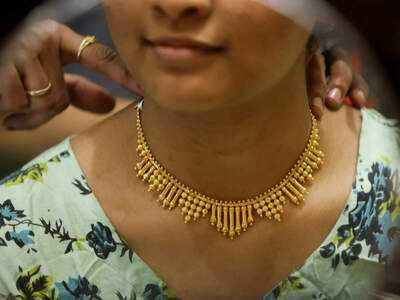
Buying gold, silver, jewellery and utensils is among the most popular traditions associated with Dhanteras. Many families also purchase household appliances and other valuables, considering the day auspicious for bringing new items home.
The festival is associated with wealth and prosperity, which is why purchases made on Dhanteras are traditionally believed to bring good fortune. However, the puja muhurat and shopping timings are not necessarily the same. Devotees planning their purchases should check the auspicious buying timings for their city rather than treating the evening Lakshmi Puja muhurat as a universal shopping window.
Dhanteras 2026 puja muhurat in major cities
The puja timings differ across locations because they are calculated according to local sunrise and sunset timings. As per Drik Panchang, the Dhanteras puja muhurat in major Indian cities will be:
According to Drik Panchang, Lakshmi Puja on Dhanteras should be performed during Pradosh Kaal, which begins after sunset and lasts for approximately 2 hours and 24 minutes. The period when Sthir Lagna prevails during Pradosh Kaal is considered particularly auspicious for the worship. Vrishabha Lagna is regarded as a fixed ascendant and generally overlaps with Pradosh Kaal during the Diwali period.
According to Hindu beliefs, performing Lakshmi Puja during this period is considered favourable for inviting prosperity into the home. Drik Panchang therefore recommends choosing the muhurat that takes into account the Trayodashi Tithi, Pradosh Kaal and Sthir Lagna.
Dhanteras significance: Why are Lord Dhanvantari and Yama worshipped?
Dhanteras is also known as Dhanvantari Trayodashi, as the day is celebrated as the birth anniversary of Lord Dhanvantari, who is worshipped as the deity of Ayurveda and medicine. Devotees pray for good health and well-being alongside wealth and prosperity.
Another important ritual associated with the festival is Yam Deepam, also known as Yama Deepam. On this day, a lamp is lit outside the home in honour of Yama, the god of death.
According to Hindu beliefs, lighting the lamp is a way of seeking protection for family members from untimely death. The ritual is traditionally performed on the Trayodashi Tithi. Dhanteras thus marks an occasion to pray for both material prosperity and good health as families prepare to celebrate Diwali.
Read more -
Dhanteras 2026 date and puja muhurat
Dhanteras will be observed on Friday, November 6, 2026. As per Drik Panchang, the auspicious time for Dhanteras puja will fall during the evening hours.
The key timings for the festival are:
- Dhanteras date: Friday, November 6, 2026
- Dhanteras puja muhurat: 6:34 pm to 8:34 pm
- Duration: 2 hours
- Pradosh Kaal: 6:02 pm to 8:34 pm
- Vrishabha Kaal: 6:34 pm to 8:34 pm
- Trayodashi Tithi begins: November 6 at 10:30 am
- Trayodashi Tithi ends: November 7 at 10:47 am
Buying gold, silver, jewellery and utensils is among the most popular traditions associated with Dhanteras. Many families also purchase household appliances and other valuables, considering the day auspicious for bringing new items home.
The festival is associated with wealth and prosperity, which is why purchases made on Dhanteras are traditionally believed to bring good fortune. However, the puja muhurat and shopping timings are not necessarily the same. Devotees planning their purchases should check the auspicious buying timings for their city rather than treating the evening Lakshmi Puja muhurat as a universal shopping window.
Dhanteras 2026 puja muhurat in major cities
The puja timings differ across locations because they are calculated according to local sunrise and sunset timings. As per Drik Panchang, the Dhanteras puja muhurat in major Indian cities will be:
- Pune: 6:32 pm to 8:31 pm
- New Delhi: 6:02 pm to 7:57 pm
- Chennai: 6:14 pm to 8:10 pm
- Jaipur: 6:11 pm to 8:07 pm
- Hyderabad: 6:15 pm to 8:13 pm
- Gurugram: 6:03 pm to 7:59 pm
- Chandigarh: 6:00 pm to 7:54 pm
- Kolkata: 5:28 pm to 7:26 pm
- Mumbai: 6:35 pm to 8:35 pm
- Bengaluru: 6:25 pm to 8:20 pm
- Ahmedabad: 6:30 pm to 8:28 pm
- Noida: 6:01 pm to 7:57 pm
According to Drik Panchang, Lakshmi Puja on Dhanteras should be performed during Pradosh Kaal, which begins after sunset and lasts for approximately 2 hours and 24 minutes. The period when Sthir Lagna prevails during Pradosh Kaal is considered particularly auspicious for the worship. Vrishabha Lagna is regarded as a fixed ascendant and generally overlaps with Pradosh Kaal during the Diwali period.
According to Hindu beliefs, performing Lakshmi Puja during this period is considered favourable for inviting prosperity into the home. Drik Panchang therefore recommends choosing the muhurat that takes into account the Trayodashi Tithi, Pradosh Kaal and Sthir Lagna.
Dhanteras significance: Why are Lord Dhanvantari and Yama worshipped?
Dhanteras is also known as Dhanvantari Trayodashi, as the day is celebrated as the birth anniversary of Lord Dhanvantari, who is worshipped as the deity of Ayurveda and medicine. Devotees pray for good health and well-being alongside wealth and prosperity.
Another important ritual associated with the festival is Yam Deepam, also known as Yama Deepam. On this day, a lamp is lit outside the home in honour of Yama, the god of death.
According to Hindu beliefs, lighting the lamp is a way of seeking protection for family members from untimely death. The ritual is traditionally performed on the Trayodashi Tithi. Dhanteras thus marks an occasion to pray for both material prosperity and good health as families prepare to celebrate Diwali.
Contact to : xlf550402@gmail.com
Copyright © boyuanhulian 2020 - 2023. All Right Reserved.