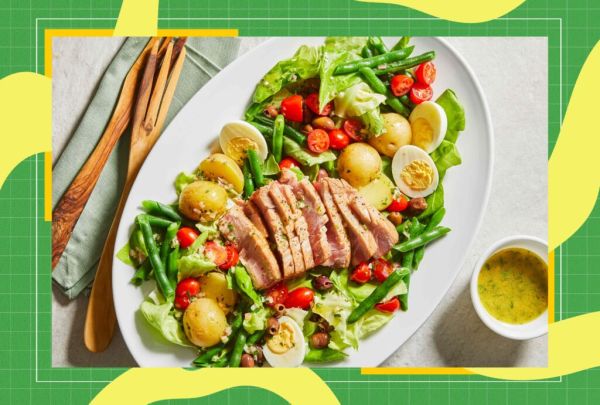
Enjoy this food in a variety of options and dishes for anti-inflammatory benefits.
Reviewed by Dietitian Mandy Enright, M.S., RDN, RYT
Key Points
- Chronic inflammation can cause tissue damage that can lead to chronic disease if left unattended.
- Fatty fish is the top anti-inflammatory food rheumatologists recommend to lower inflammation.
- Fatty fish contains inflammation-fighting omega-3s, vitamin D and selenium, plus it’s versatile.
We hear a lot about inflammation, but do you know what it is or that it serves an important purpose in the body? Think of inflammation as your body’s first responder. When you cut your hand, your immune system sends a rush of white blood cells to the area to fight off invaders and start the healing process. This is short-term, also known as acute inflammation, and a good thing to help the body heal. However, chronic inflammation is different, and can linger for months or even years. This responder never stops working, but that isn’t a good thing. Over time, the constant inflammation can damage healthy tissues and organs and can lead to conditions like heart disease, type 2 diabetes, certain cancers and autoimmune diseases.
One thing that can help keep chronic inflammation at bay is what you eat. Filling up your plates mostly with fruits, veggies, whole grains, fatty fish, nuts, seeds, legumes and unsaturated fats can calm down inflammation. But which food may help the most? We asked rheumatologists to share their top food for reducing inflammation, and they unanimously said fatty fish. Read on to learn why rheumatologists encourage you to add more of this food into your meals.
Rich in Anti-inflammatory Omega-3s
What do salmon, mackerel, tuna, sablefish, sardines, anchovies, herring and pollock all have in common? They are a great source of high-quality proteins and contain omega-3 fatty acids, specifically eicosapentaenoic acid (EPA) and DHA docosahexaenoic acid (DHA), which help block inflammatory pathways in the body, says Gregg Silverman, M.D., a rheumatologist. “They can reduce inflammation, which can lead to heart disease, diabetes and kidney disease.”
EPA and DHA also can influence how your immune system works. Research shows they can switch off the genes that trigger inflammation and help regulate how immune cells respond. This matters, as rheumatologist Deborah Alpert, M.D., PhD, explains, “An overactive immune system can target the body’s own tissue, such as joint linings in inflammatory arthritis.” She goes on to add, “Omega 3 fatty acids in fatty fish can also lower production of inflammatory mediators such as prostaglandins and leukotrienes.”
Contains Other Anti-inflammatory Nutrients
Research has found that people with autoimmune disorders have lower levels of vitamin D. The good news is fatty fish is one of the few and one of the best natural food sources of vitamin D. A serving of sockeye salmon, for example, contains about 60% of your daily needs for vitamin D in one 3.5-oz serving. Vitamin D plays a role in inflammation by regulating the immune system and turning down the dial on inflammation to prevent damaging cells.
“Regular consumption of fatty fishes, including sardines and anchovies, are excellent low-mercury options that lower C-reactive protein (CRP), which is a major blood marker of systemic and cardiovascular inflammation,” says Silverman.
Fatty fish also contain the powerful mineral and antioxidant selenium, which can limit mercury’s impact. Selenium can bind to mercury found in fish and help remove it from the body. It also can protect cells from damage and reduce inflammation. A 3-oz serving of salmon also packs an excellent source of selenium, nearly half of your daily needs.
May Lower the Risk of Heart Disease
Chronic inflammation can take a toll on important organs, like the heart. For instance, people with rheumatoid arthritis have a 50% higher risk of developing or dying from heart disease. They also are more likely to develop heart failure. Researchers believe chronic inflammation is a major driver, as it promotes the build up of plaque in the arteries.
However, eating more fatty fish can help. “Studies found that fatty fish, but not lean fish, was associated with lower heart disease risk and death,” says Alpert. People who ate the most fatty fish had a 8% lower risk of developing coronary heart disease and 17% lower risk of dying from it.
Ways to Enjoy Fatty Fish
There’s plenty of ways you can enjoy and include more fatty fish into your week:
- Pair with other anti-inflammatory foods. Serve your fish over a colorful mix of roasted veggies, sweet potatoes, leafy greens, top with nuts, or even pair with berries for an additional boost of antioxidant and anti-inflammatory rich foods.
- Swap it for red meat. Most people simply don’t eat enough fish most weeks. If red meat or processed meat is on the menu, swap it for fish at least once a week. Smoked salmon makes a great high-protein, omega-3 rich swap for processed breakfast proteins like bacon or sausage.
- Try in a variety of ways. Fatty fish works pan-seared, poached, baked, grilled, or cooked in the air fryer, so you can rotate cooking methods to find one you enjoy the most. Plus, it’s quick to cook and is typically done within 15 minutes.
- Season with herbs and spices. Sprinkle on a variety of fresh or dried herbs and spices to your fish to add flavor without salt. Many like turmeric, ginger, garlic, and rosemary are rich in antioxidant and anti-inflammatory properties too.
- Cook with healthy fats. Fatty fish doesn’t need much fat when cooking, because it will release its own. When you do use some, choose unsaturated oils like olive or avocado oil to support overall health.
- Incorporate into any favorite meal. Toss fatty fish into your favorite meals like tacos, grain bowls, salads, pasta, sandwiches or fajitas.
- Use fresh, frozen, or canned. Any form of fish counts. Frozen can go straight from freezer to oven, no thawing is needed. Canned works great when you’re hungry and need something instant, plus it’s budget-friendly and shelf-stable.
Our Expert Take
Rheumatologists say fatty fish is the one anti-inflammatory food they swear by. It’s rich in anti-inflammatory omega-3 fats, provides other inflammation-fighting nutrients like vitamin D and selenium, and may lower the risk of heart disease, which people with certain inflammatory conditions are more likely to develop. Fatty fish is also versatile and budget-friendly. Pair it with other anti-inflammatory foods, swap it for red meat at least once a week and season it with herbs and spices. Aim to work at least two servings of this anti-inflammatory superstar into your favorite meals each week.
Contact to : xlf550402@gmail.com
Copyright © boyuanhulian 2020 - 2023. All Right Reserved.