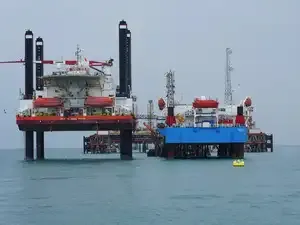
Russian oil shipments from key Baltic and Black Sea ports are facing mounting delays due to adverse weather conditions and continued Ukrainian drone attacks, according to traders and shipping data.
Russian oil exports from its main oil terminals in the Baltic and Black Sea are facing growing delays due to bad weather and persistent Ukrainian drone attacks, according to traders and people with direct knowledge of loading schedules and shipping data.
Weather-related delays are common in Russian ports in late autumn, but this year they have been compounded by Ukrainian strikes on the country's energy infrastructure that have increased the risk of output cuts.
Storms have disrupted oil exports from Russia's main Baltic ports for more than a week, traders said.
Also read: 48-hour power play? Eisenkot's high-stakes bid to topple Netanyahu and break Israel's political deadlock
Loadings of more than 10 tankers during the first half of November have been delayed due to storms, causing revisions to the export schedule, they added.
Lengthy customs checks and bunkering delays due to storms have left tankers waiting at sea to depart.
Winter storms in the Black Sea have meanwhile suspended loadings at Russia's main oil terminal in Novorossiysk, where operations had already been constrained by frequent drone alerts, traders said.
On Friday, the mayor of Novorossiysk, home to Russia's largest Black Sea terminal, said on social media that a storm warning remained in place.
According to two traders, conditions in Baltic ports have improved since last week, with many delayed vessels departing over the weekend. Storms in Novorossiysk have continued, one of the traders added.
Freight rates, which had recently eased as tanker availability increased, could climb again because of the delays, traders said.
"In winter we face more delays in ports due to bad weather than during summer months normally, so altogether this doesn't promise a cheap freight," one trader said.
Rates for moving Urals crude from Russia's western ports to Asia have already pulled back from record highs set in early November. That retreat followed a sharp fall in global oil prices and tanker costs, trading sources said.
The availability of tankers in the Baltic will tighten in winter months as ice restrictions require vessels to have ice-class certification, which few shipowners can provide, traders said.