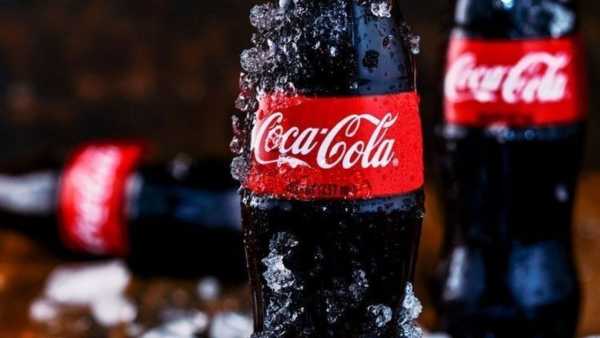
Has Coca-Cola’s 139-year-old formula finally been decoded? YouTuber claims to reveal the ‘secret’ ingredientKhelja | 2026-01-15 13:22:22
New Delhi: A YouTuber known as LabCoats have claimed to successfully uncover the Coca-Cola recipe, a 139-year-old secret formula, a trade secret famously guarded in a vault in Atlanta. In a video that has gone viral on YouTube with millions of views, the creator details a long, specific process involving mass spectrometry, chromatography and exhaustive blind taste testing to reverse-engineer the world’s most popular soft drink.
LabCoatz’s investigation moved beyond the simple trial-and-error method, employing advanced equipment to analayse molecular composition of the soda. Working along with other creators, they identified that 99 per cent of ingredients were simple, like sugar, phosphoric acid, and caffeine, and elusive flavours were a complex mix of essential oils.
Coca-Cola’s secret recipe revealed
The analysis highlighted alpha-terpinene from citrus, cinnamaldehyde from cinnamon, and key aromatic compounds present in nutmeg and coriander.
When you turn a bottle of Coca-Cola to read the ingredients, it says sugar, caffeine, sodium, and natural flavours. What are these natural flavours? That is the guarded secret of the brand. The recipe for Coca-Cola is not patented because to do so, the company would have to reveal the recipe, and only a few people in the world know about the secret to it.
Coca-Cola’s story began in 1886, when Dr John S. Pemberton created the iconic drink and guarded its formula closely, sharing it only with a select few. Years later, in 1892, Asa Candler bought the rights and transformed it into a thriving business under his sole ownership.
By 1919, entrepreneur Earnest Woodruff and a group of investors acquired the company from the Candler family. As part of the deal, Candler’s son was asked to finally put the secret recipe on paper—something his father never did. The handwritten formula was then locked away in a vault at the Guaranty Bank in New York, where it stayed until the loan for the acquisition was fully repaid in 1925.
Guarded Coca-Cola recipe
A breakthrough came when they found that Coca-Cola probably uses wine tannins and a “decocainised” coca leaf extract to create its signature dry, slightly astringent taste, something most homemade versions fail to capture. By replacing the coca leaf with legal substitutes like tea tree oil, which has a similar terpene profile, and adding food-grade tannins, LabCoatz developed a syrup he says is chemically and technically identical to the original.
Blind taste tests in the video revealed that people couldn’t tell the difference between the homemade version and the original Coca-Cola, and a few even liked the replica more. And although Coca-Cola has never patented its formula to keep it secret, LabCoatz’s experiment offers a rare, science-backed challenge to the brand’s century-old aura of mystery.
Read more
CBSE to announce Class 10 2026 results by mid-April
Newspoint
NHAI ends cash tolls nationwide for FASTag and UPI
Newspoint
India passes Jan Vishwas bill decriminalizing 784 minor legal provisions
Newspoint
CBSE mandates 3 language policy across India from 2026-27
Newspoint
Pantnagar Airport Expansion: Uttarakhand's first international airport project worth Rs 180 crore to boost connectivity
Newspoint
Missing for 6 months, pet parrot flies back home after hearing owner's piano tune
Newspoint
IndianOil scales up auto LPG supplies across Karnataka amid surge in demand
Newspoint
'Silenced, not defeated': Chadha slams AAP after RS post removal
Newspoint
Odisha: Court convicts 11 in Similipal tusker poaching case, delivers major boost to wildlife protection
Newspoint
No right to pick school under EWS quota, says Delhi High Court; appeal dismissed